Data, auction trends and forecasts for collectors and investors after the correction of the past two years.
After the average 22% correction recorded between 2023 and 2025, the secondary market in luxury watches has found its reason again. The three main indices — Chrono24, WatchCharts and the Subdial 50 — converge on a figure that looked unthinkable 18 months ago: the –1.8% of the first half of 2026 is, in all probability, the bottom of the cycle. Sales by volume are back to 2019 levels, while the average time an iconic piece spends on the market has fallen from 47 days to 21.
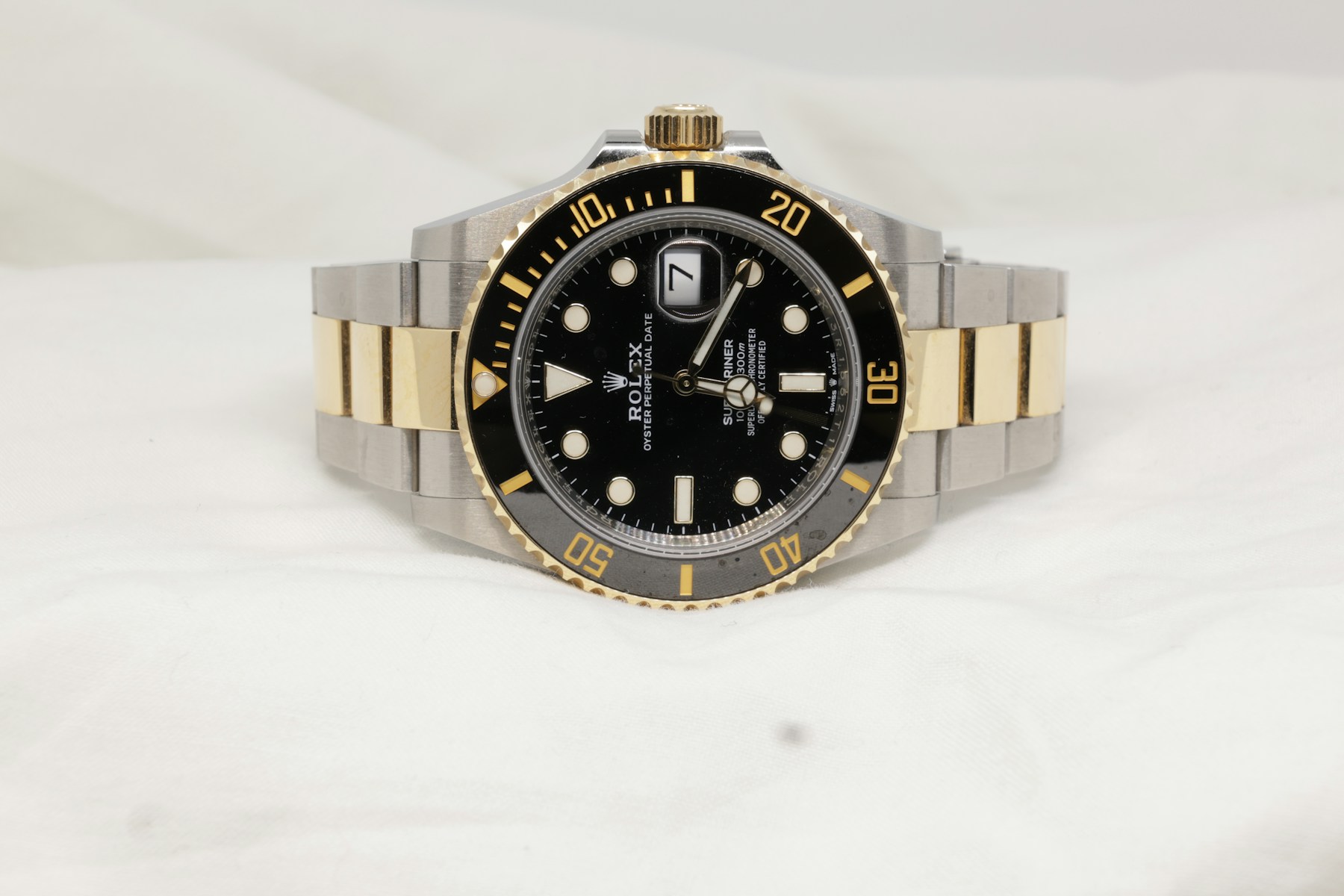
Rolex sports references — the Daytona 116500LN, the GMT-Master II Pepsi and the steel Sub Date 126610LN — are trading again at modest premiums of 10-15% over official list. The white Daytona, which reached multiples of 3.5x in 2022, now sits between €34,000 and €37,000 on the secondary market. Still a high price in absolute terms, but a 42% fall from the peak that allows serious technical entries for anyone who has wanted one for years.
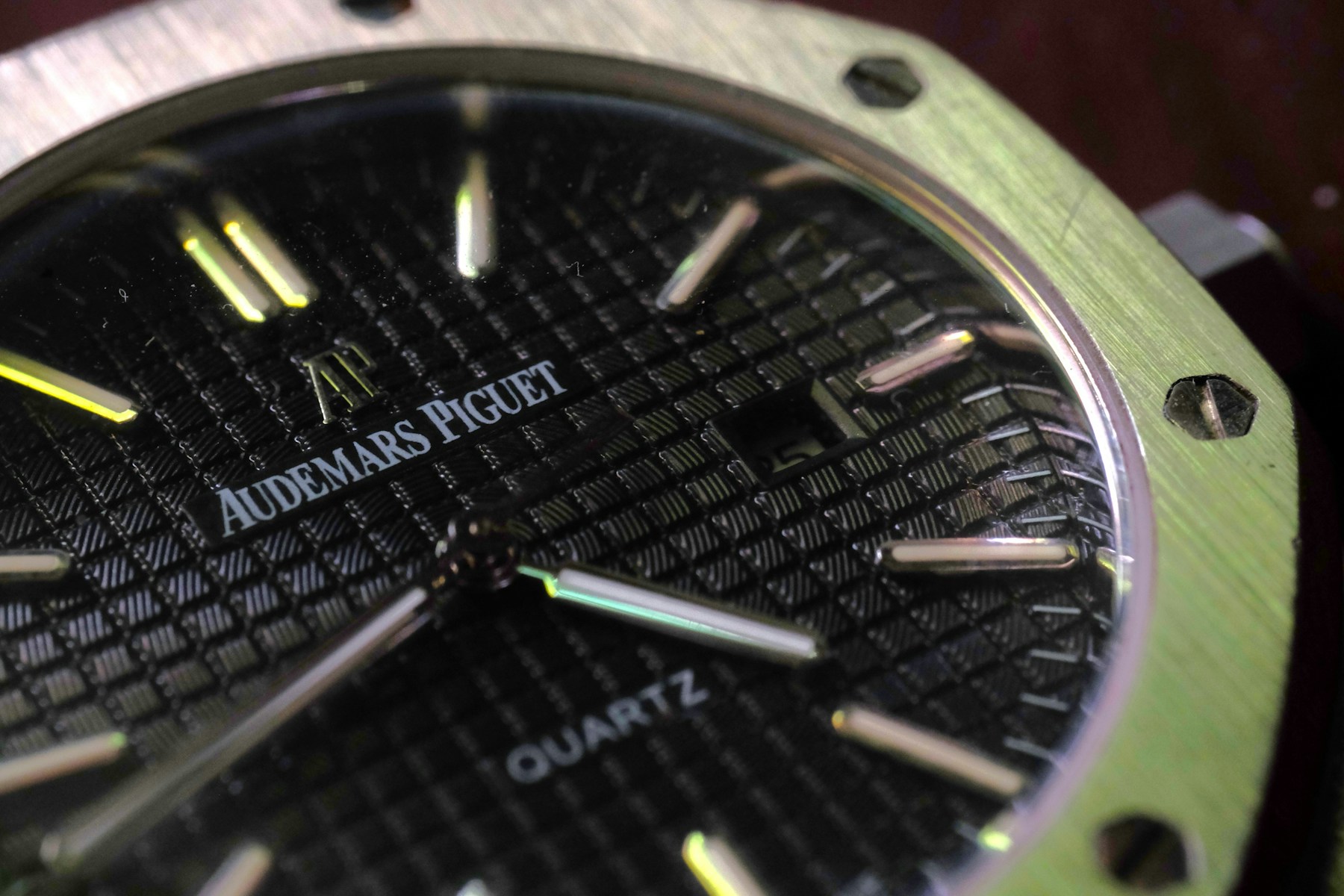
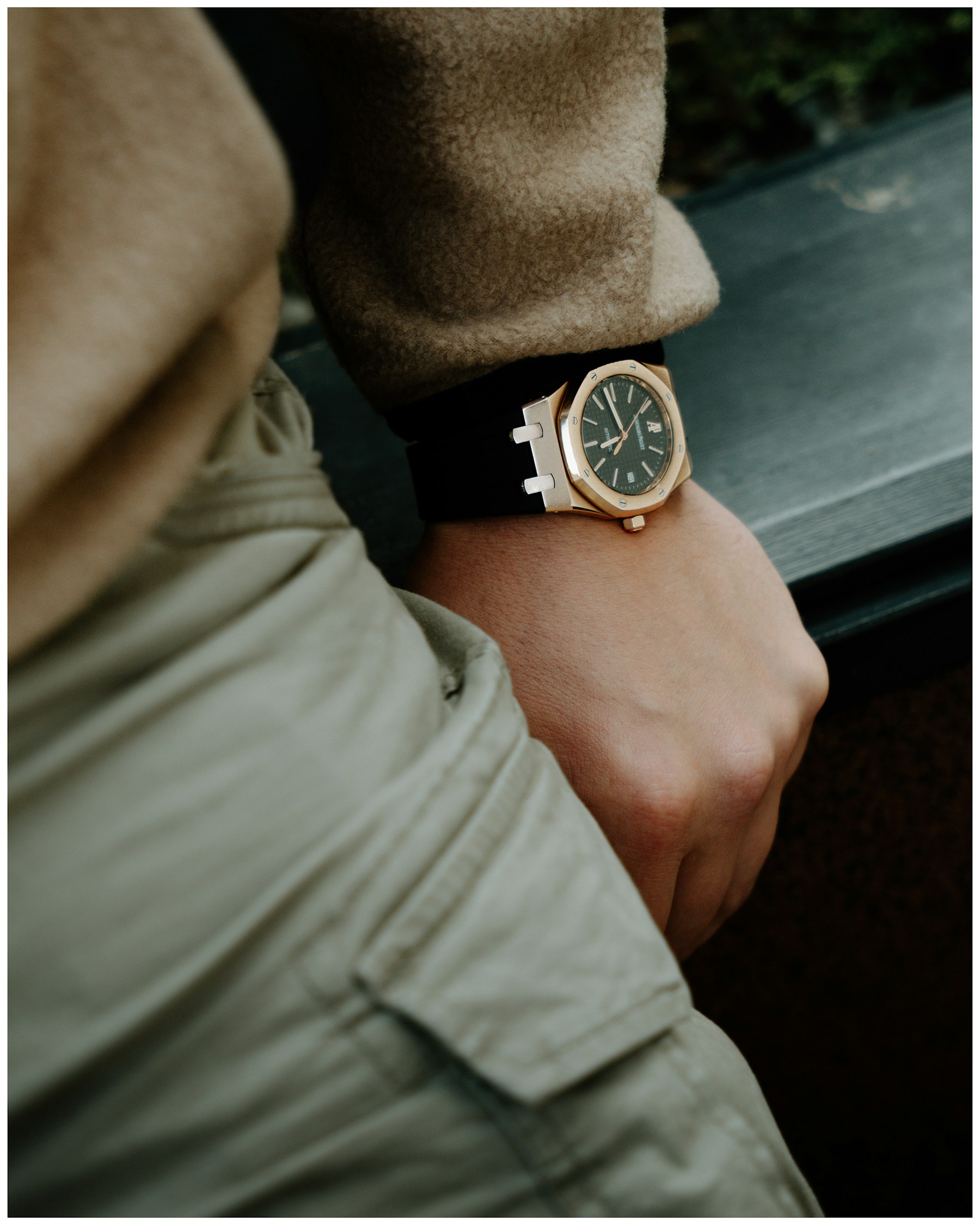
The real movement is in neo-vintage. The blue-green Patek 5711 Nautilus and the 5712 have recovered 8% from their January 2026 low. The 5711 'Tiffany' — 170 examples never officially put on sale — remains the only contemporary reference holding a three-figure premium over list. The Audemars Piguet Royal Oak Jumbo 16202ST is stable at €90,000-95,000, with the boutique waiting list stuck at three to five years.
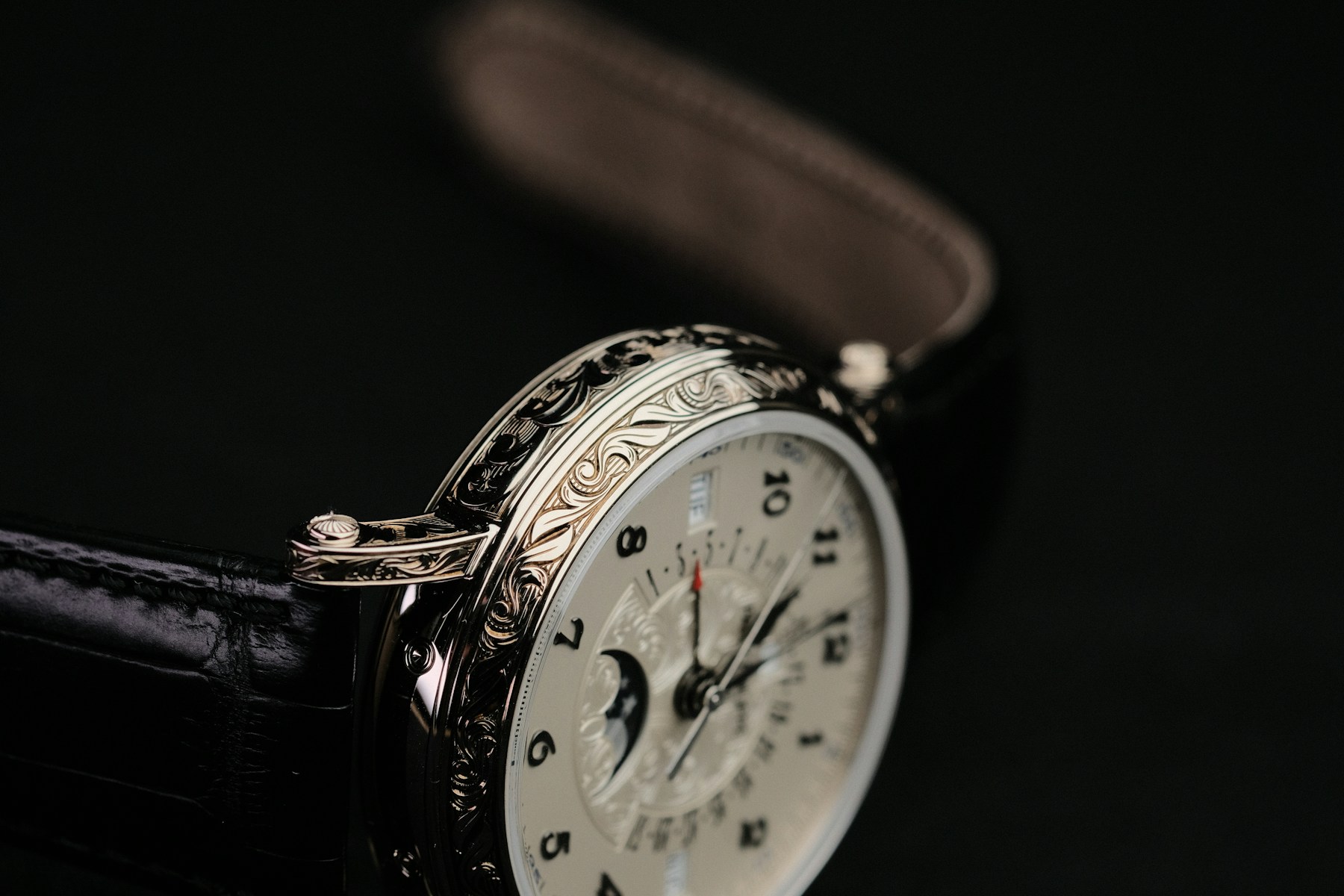
Among the independents the picture is more selective. F.P. Journe's Chronomètre Bleu has corrected 28% but still stands at €65,000, four times its original list price. References from Simon Brette, Rexhep Rexhepi and Kari Voutilainen hold very high premiums on very low volumes — these are markets of 10 to 20 transactions a year, and no strategy can be built on top of them.
“2026 is a year for building, not for liquidating. Anyone with capital can finally find exceptional pieces at reasonable prices.”
The most interesting segment for 2026 is probably vintage Cartier from the 1970s and 1980s. Tank Cintrée, Crash London, Pebble and Baguette — after a decade of indifference — recorded an average rise of 34% over the past year. The Louis Cartier collection has pushed the brand towards a museum reading of its own heritage, and the market has answered with volumes three times higher.
What should we expect in the second half? Auction houses forecast moderate growth of 3-5% on the most liquid references, driven by the return of Asian demand after the yen-dollar exchange rate stabilised. The dominant theme in the October previews — Phillips Hong Kong, Christie's Geneva, Sotheby's New York — is the rediscovery of the honest complication: tourbillons without skeletonisation, perpetual calendars on classic displays, sonneries in discreet cases.
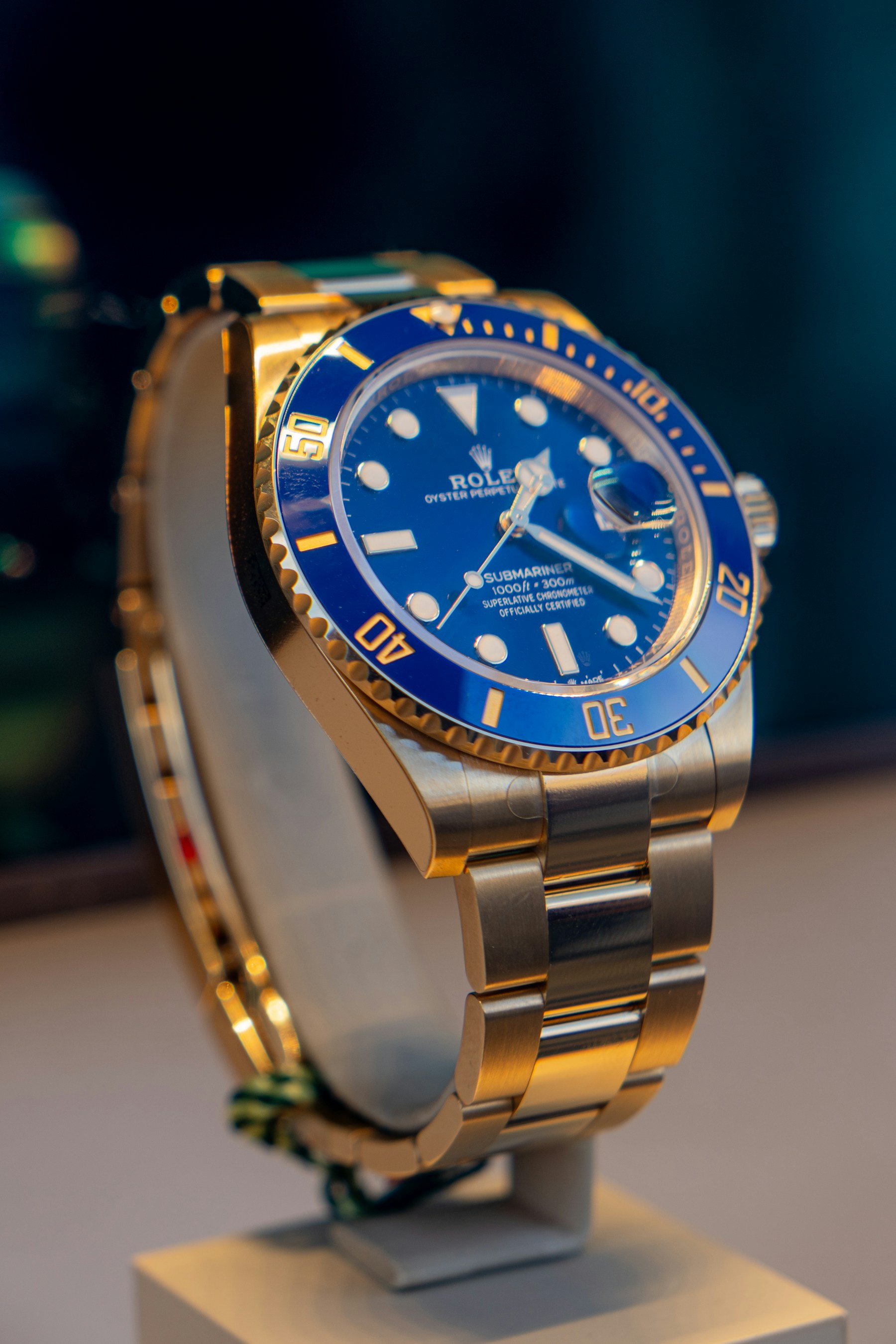
From a pure investment standpoint, our collector board's advice is clear: below €15,000 there are dozens of references with an excellent risk-return profile. The steel-and-gold Cartier Santos Medium, the Omega Speedmaster Ed White, the Zenith Chronomaster El Primero. Between €15,000 and €40,000, the real opportunity is in neo-vintage Rolex — the GMT 16710 Pepsi with 'fat lady' dial, the 1990s Sub 14060M in full-set condition.
Above €100,000 the market remains illiquid, and anyone entering needs a horizon of at least five years. This is not the moment to flip. It is the moment to build a structured collection — with clear editorial aims, not with impulses from Instagram. Watch fortunes have never been made in 18 months. They have always been made over 15 years.
If you have a defined budget and want to understand how to allocate it sensibly, our pre-purchase consultancy exists for exactly that. No commission from sellers, only the time of people who have watched hundreds of pieces pass through their hands.
Consulenza pre-acquisto
Stai valutando un acquisto sopra i 15.000 €? Fatti affiancare da chi ne ha visti passare centinaia.
Videocall registrata, report PDF con valutazione e checklist di autenticità. Rimborso 100% nei primi 15 minuti.