Simon Brette, Rexhep Rexhepi, Petermann Bédat. The people redefining the future of haute horlogerie outside the big groups.
The decade from 2010 to 2020 saw extreme consolidation among the big watch groups. Richemont acquired Roger Dubuis, Panerai and IWC. LVMH took Zenith, TAG Heuer and Hublot. Swatch Group tightened its grip on Omega, Blancpain and Breguet. The result was a standardisation of the product — shared movements, codified dials, aligned communication — that left room for a counter-movement: the revival of ultra-niche independent manufactures.
Rexhep Rexhepi — Kosovan by origin, trained at Patek Philippe and F.P. Journe — is currently the hottest name in independent watchmaking. His manufacture Akrivia, opened in Geneva in 2012, makes fewer than 50 pieces a year. The Chronomètre Contemporain (2018) and the Chronomètre Contemporain II with dead-beat seconds (2021) have sold on the secondary market at multiples of 5-8x their original boutique price. The waiting list for a new piece is closed: you get in by invitation only.
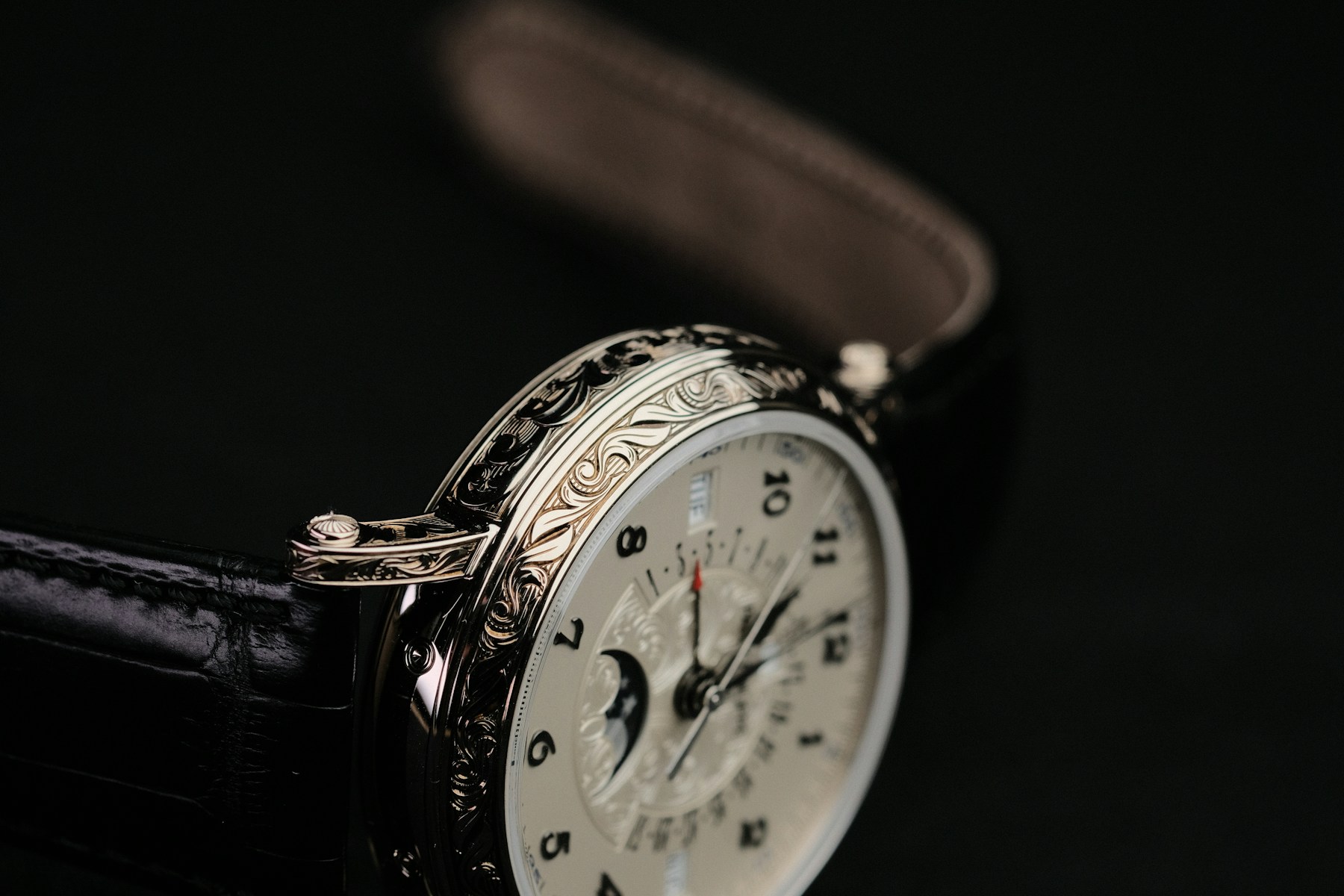
Simon Brette — a French independent born in 1988 — launched the Chronomètre Artisans in 2023 in an edition of 20 pieces. Boutique price CHF 45,000. Current secondary price: CHF 180,000-250,000. A multiple of 4-5x in 24 months. Brette's training is encyclopaedic: an apprenticeship with Journe, then Vianney Halter, then consultancy for Kari Voutilainen. His work is obsessively artisanal — dial enamelling done by hand in his own atelier, a case turned by a single Swiss specialist, a movement decorated in the classic Geneva style.
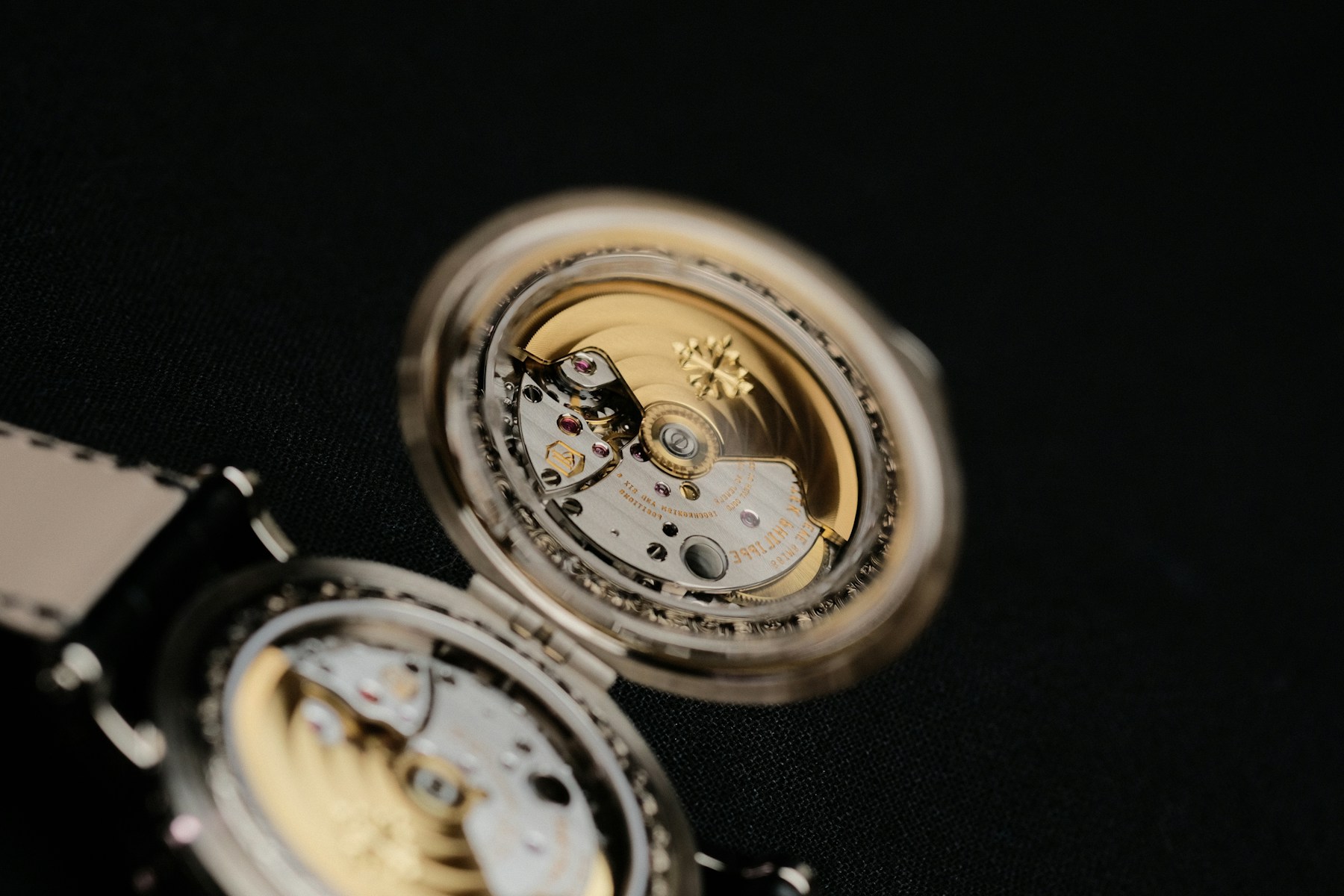
Petermann Bédat — the duo of Gaël Petermann and Florian Bédat, both formerly at Journe — presented the Reference 1967 in 2020, a dead-beat seconds with a double rose gold wheel. Fifteen pieces a year, boutique price CHF 68,000. On the secondary market they appear at CHF 140,000-180,000 and stay unsold for only a few days. Production for 2026 is already fully allocated, and 2027 is on a selected waiting list.
Raul Pagès — a Swiss-Mexican independent trained at Parmigiani — won the 2024 Louis Vuitton Watch Prize for Independent Creatives with the RP1 Régulateur à Détente. It is a technically radical piece: a detent escapement in a wristwatch, a nineteenth-century solution nobody had ever really commercialised before. Twenty-five pieces in total, priced at CHF 220,000, with a three-year waiting list. A serious investment just to be considered eligible.
“The big groups won the 2010s. The decade from 2020 to 2030 belongs to independent manufactures making fewer than 500 pieces a year.”
At the more accessible end — below €30,000 — Massena LAB is the most interesting project in the segment. William Massena, formerly CEO of Antiquorum, has since 2019 launched a series of collaborations with Kari Voutilainen, Habring², Louis Erard and others. The pieces are always limited editions of 99 to 250 examples and hold value far better than the secondary-market average. The Uni-Racer with Habring² has risen 180% since its 2020 launch.
Among Japanese independents, Hajime Asaoka deserves attention. His Project T Tourbillon — one piece a year, entirely handmade in his Tokyo atelier — is valued today between €150,000 and €200,000. Asaoka is considered one of the three most technically complete living watchmakers in the world, on a par with Philippe Dufour and Kari Voutilainen.
Entering independent watchmaking is not for the beginner collector. It requires available liquidity — pieces are paid for by deposit 12 to 18 months before delivery — patience, since waiting lists run in years rather than months, and tolerance for risk, because the secondary market is illiquid: selling a Rexhep can take months even at an aggressive price.
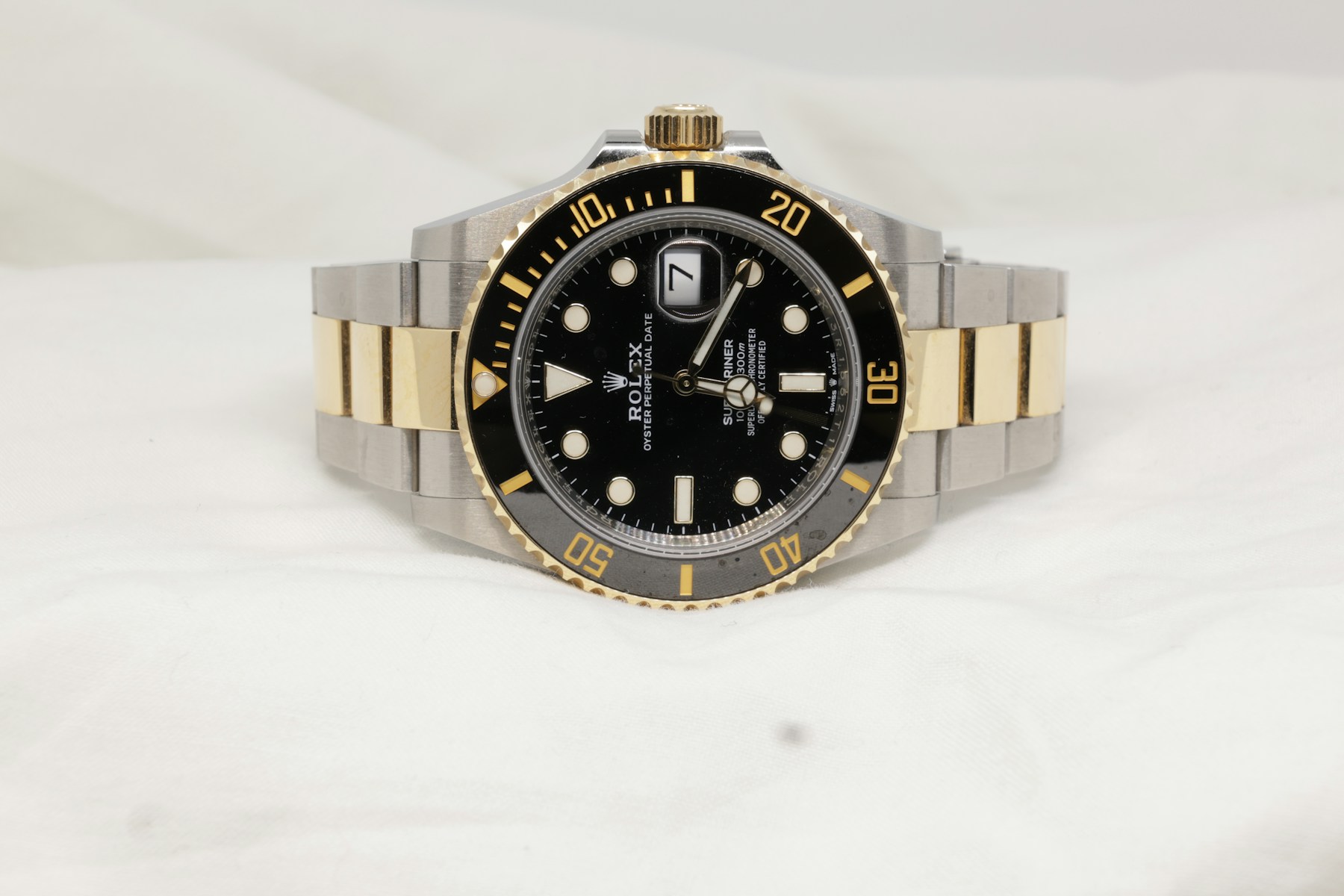
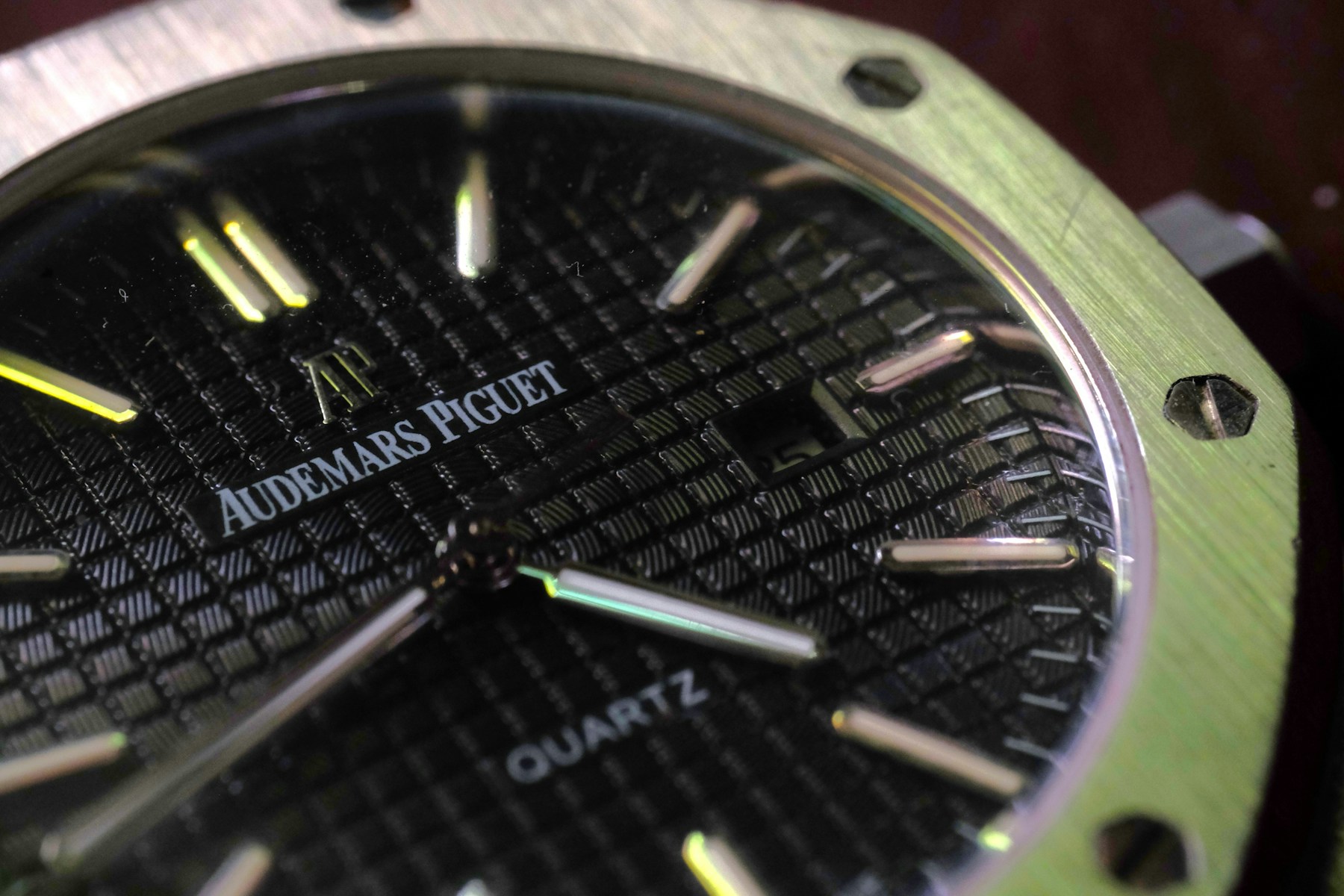
But for anyone who has already consolidated a classic collection — Rolex, Patek, AP — the independents are today the only segment where you can still buy watch culture at a fair price. A big group produces watches that are worth something because of the brand. An independent produces watches that are worth something because of the handwork invested in the single piece. They are two different markets, with different logics, coexisting in the same safe among serious collectors.
Our tactical suggestion for 2026: if your independent budget sits between €50,000 and €150,000, aim at Petermann Bédat and Simon Brette. If you are above €200,000, get on Rexhep Rexhepi's list now — even if they tell you no. A place on that list is built through persistence, not through immediate availability.
Consulenza pre-acquisto
Stai valutando un acquisto sopra i 15.000 €? Fatti affiancare da chi ne ha visti passare centinaia.
Videocall registrata, report PDF con valutazione e checklist di autenticità. Rimborso 100% nei primi 15 minuti.