You do not need an €800 service every year. You need ten habits that 90% of owners ignore.
Rule one: the crown is screwed down with a fingertip, never with the palm. The brass thread of the tube gives way before the steel case does, and a bent tube means water ingress guaranteed within six months. The correct gesture is to turn without pressing, feel the first engagement, then guide it — never force it — to the stop. If you feel unusual resistance, stop and start again: you are not tightening a screw, you are closing a gasket.
Rule two: hand-winding an automatic movement means 15 to 20 turns at most, never to the end of travel. The barrel's end-stop is the first thing to break on cheap movements, and the most expensive part to replace on an in-house Rolex, Omega or Patek. If your watch has been stopped for days, 20 turns are more than enough to get it going. The rotor does the rest once you wear it.
Rule three: a steel bracelet should be rinsed in lukewarm water every two weeks. Sweat and sebum slowly corrode the link screws — a seized screw blocks any future sizing work, and freeing one costs €40-80 at an experienced watchmaker. Use a soft-bristle brush and neutral soap, and dry immediately with a microfibre cloth.
Rule four: keep the watch away from magnets. Your iPad, your MacBook, the clasps on leather bags, Bluetooth speakers. Even a weak magnet can magnetise the balance irreversibly — the watch starts running 30 to 60 seconds a day fast and the only remedy is demagnetisation at a watchmaker, at €30-50. Do not keep the watch on the bedside table next to a charging phone.
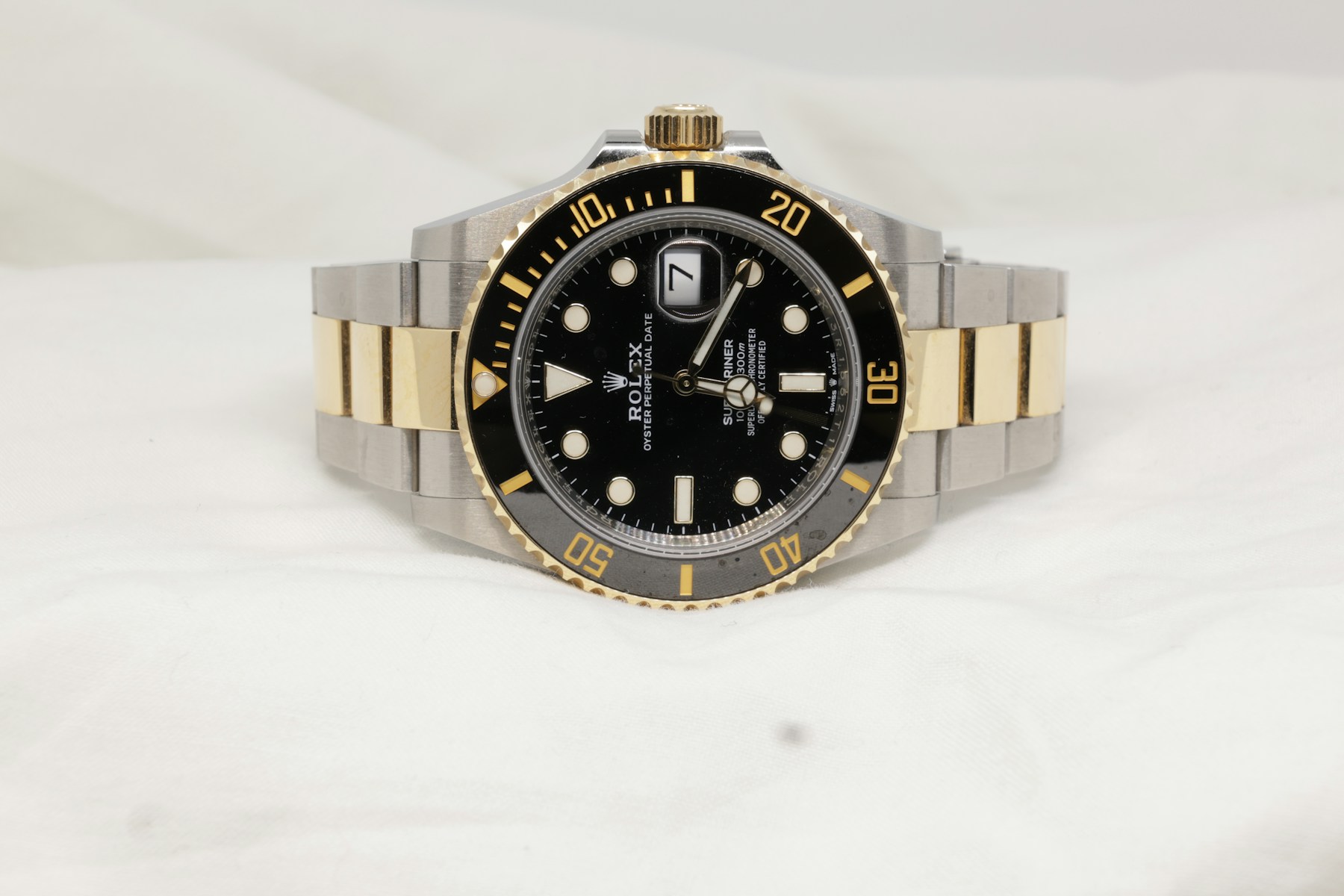
“The crown is screwed down with a fingertip. Never with the palm. Every other piece of maintenance starts here.”
Rule five: if you use a winder, use bidirectional rotation only. Continuous single-direction rotation stresses the rotor's ratchets. Better still: use the winder only for watches with complications — perpetuals, moon phases — where restarting would require a long resynchronisation. For a three-hand automatic a winder does more harm than good; better to let it stop and hand-wind it before wearing.
Rule six: never shower in hot water with the watch on, even if it is certified to 100 metres. Heat expands the gaskets, soapy water seeps underneath, and within three months the crown is jammed with limescale residue. Hot water is the first enemy of 'waterproof' watches.
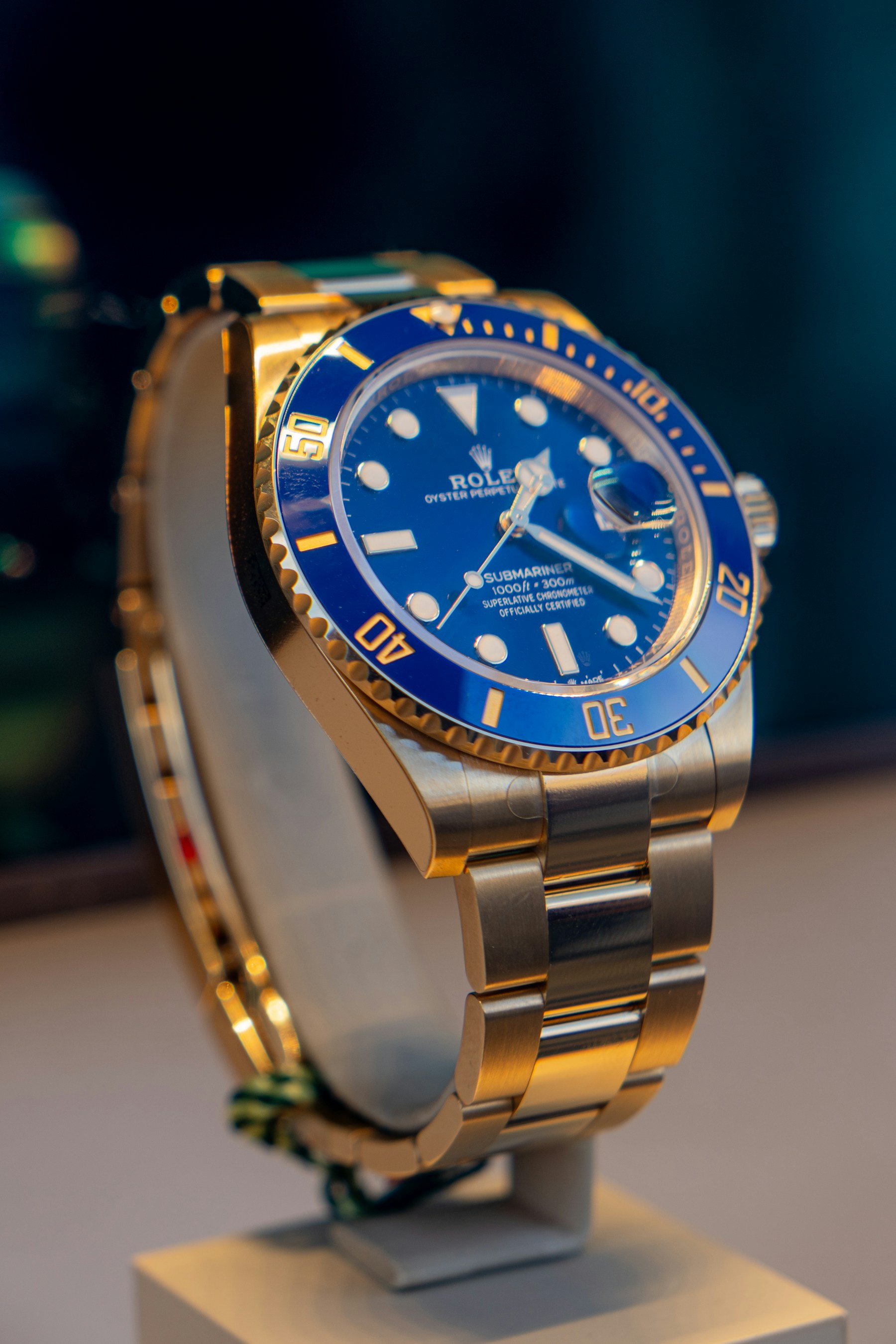
Rule seven: have the water resistance checked every two years at a certified service centre. Cost €40-80, time 20 minutes. Gaskets degrade with heat and UV, and preventive replacement costs €150-250. A corrective service after water ingress — with a full overhaul of a rusted movement — starts at €900 and never recovers 100% of the original accuracy.
The other three rules — from winder rotations to caring for leather straps and the storage protocol for long periods of inactivity — are in our Style & Care Guide, available soon for instant download from the shop.
Consulenza pre-acquisto
Stai valutando un acquisto sopra i 15.000 €? Fatti affiancare da chi ne ha visti passare centinaia.
Videocall registrata, report PDF con valutazione e checklist di autenticità. Rimborso 100% nei primi 15 minuti.