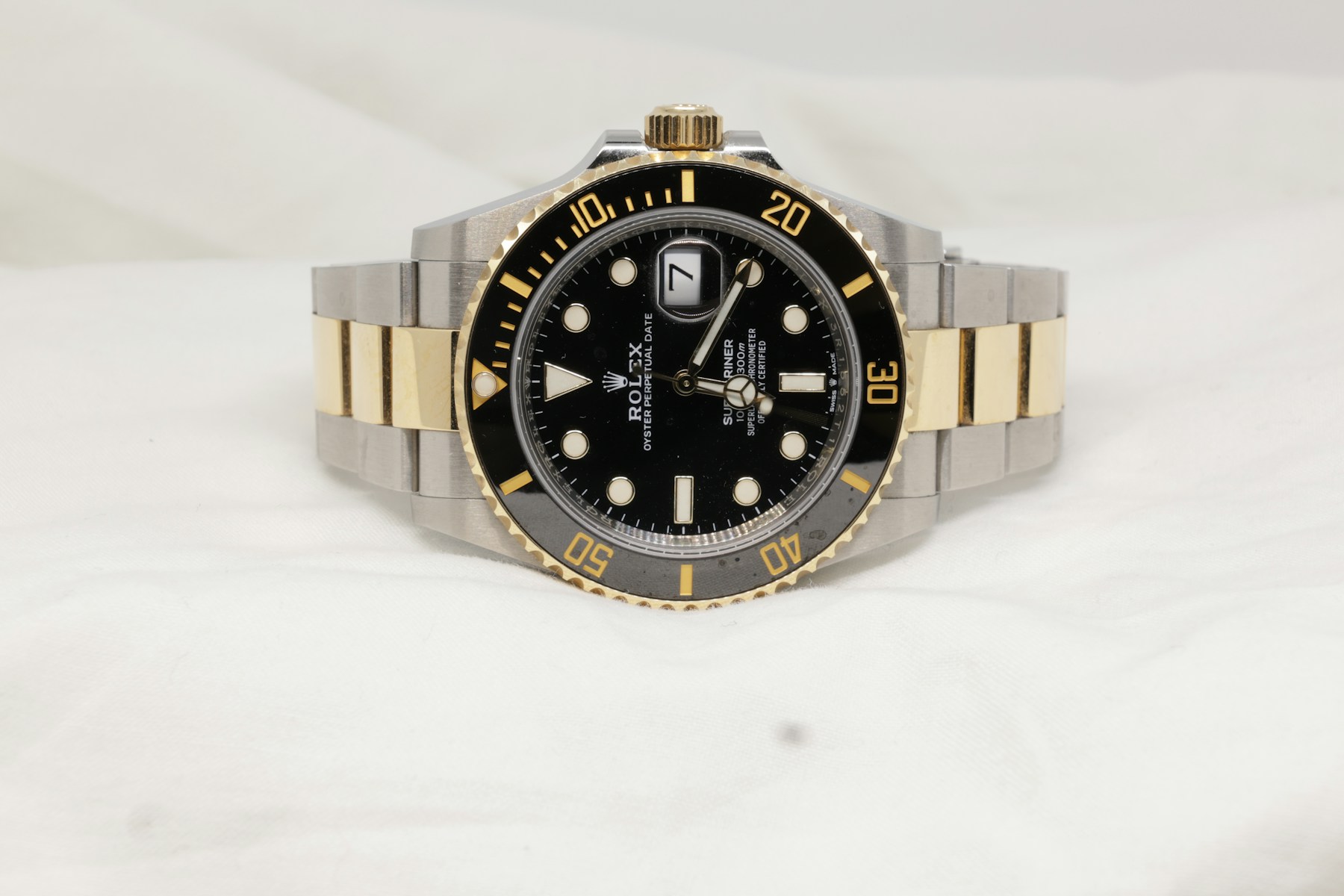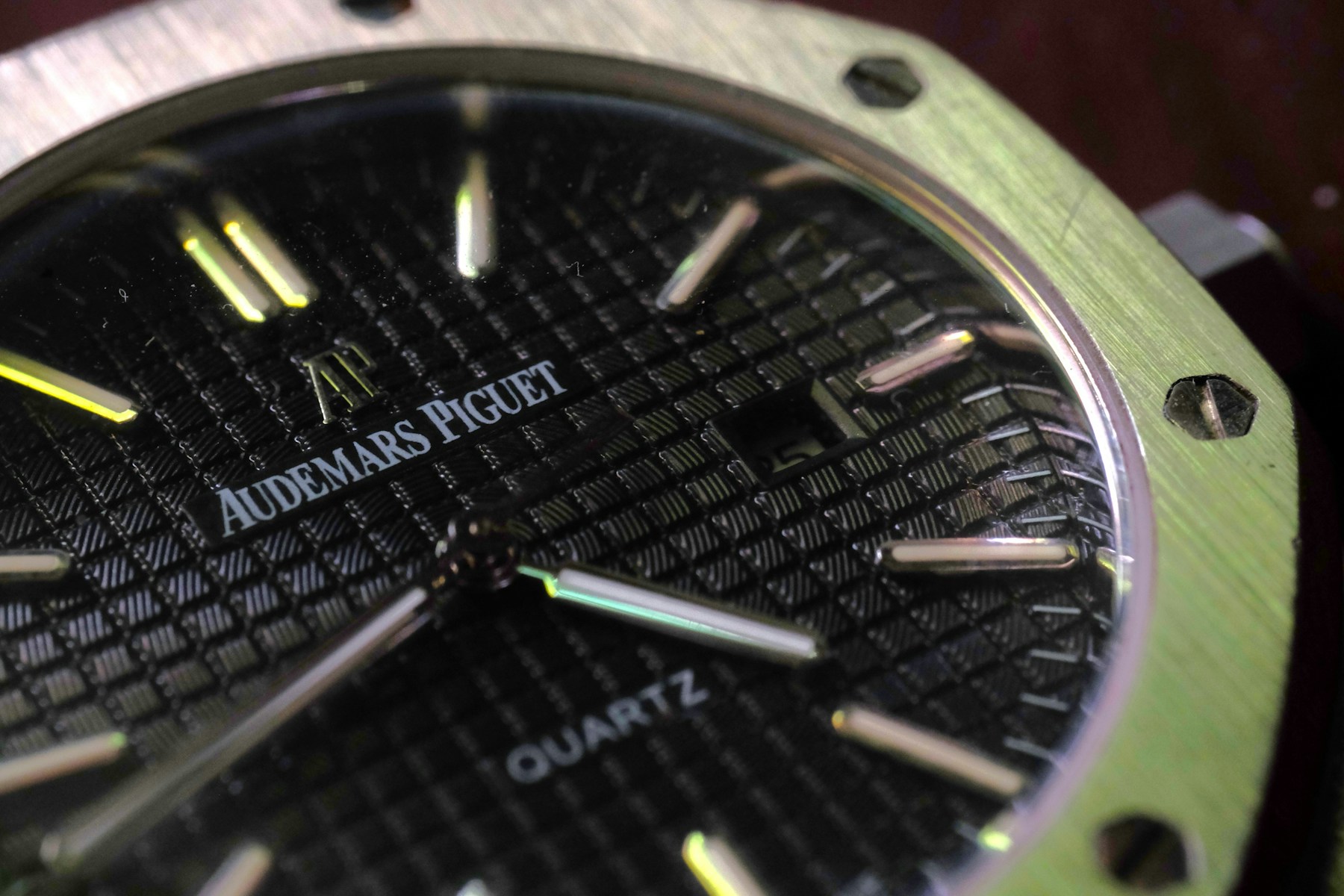
Selling a used Rolex, Patek Philippe or Audemars Piguet: how to get an accurate valuation, where to sell it (dealer, consignment, auction, private), how much box and papers matter, and how to avoid the mistakes that cost thousands of euros.
Sooner or later every collector asks the same question: how do I sell my luxury watch at the best price? Whether it is a Rolex Submariner, a Patek Philippe Nautilus, an Audemars Piguet Royal Oak or an Omega Speedmaster, resale value comes down to a few concrete factors — condition, completeness, sales channel — which this guide takes one at a time. Anyone searching for 'what is my Rolex worth' or 'where to sell a used luxury watch' will find here the method we use with our clients.
The first step is a realistic valuation. A watch's market value is read from real transaction data — Chrono24, WatchCharts, auction results from Phillips, Christie's and Sotheby's — not from the asking prices set by sellers, which are systematically higher than the price actually achieved. The gap between asking price and realised price averages 10-15%. Judging your own piece by looking at listings is the first mistake to avoid.
The second factor is completeness, the so-called full set: original box, warranty papers with date and stamp, the serial tag, booklets, any spare bracelet links and the purchase receipt. A full-set Rolex is worth on average 15-25% more than the same reference sold bare — watch only. On some vintage and neo-vintage pieces the difference reaches 40%. If you have kept the box and the paperwork, you have already increased the value of your watch without doing anything.
The third factor is condition. A watch with an unpolished bracelet, an original dial, no dents on the lugs and an intact crystal is worth appreciably more. A word of warning: over-polishing is damage, not an improvement. Many owners have a watch 'freshened up' before selling in the belief they are raising its value, and instead they lower it: collectors pay more for an honest piece with its patina than for an over-polished one that has lost the original bevels of the case.
Now to the heart of the matter: where to sell. There are four main channels, each with a different balance of price achieved, speed and risk. The first is selling to a dealer: you get paid immediately and safely, but the dealer has to make a margin — expect an offer 10-20% below market value. It is the right choice if you are in a hurry or do not want to handle the negotiation.
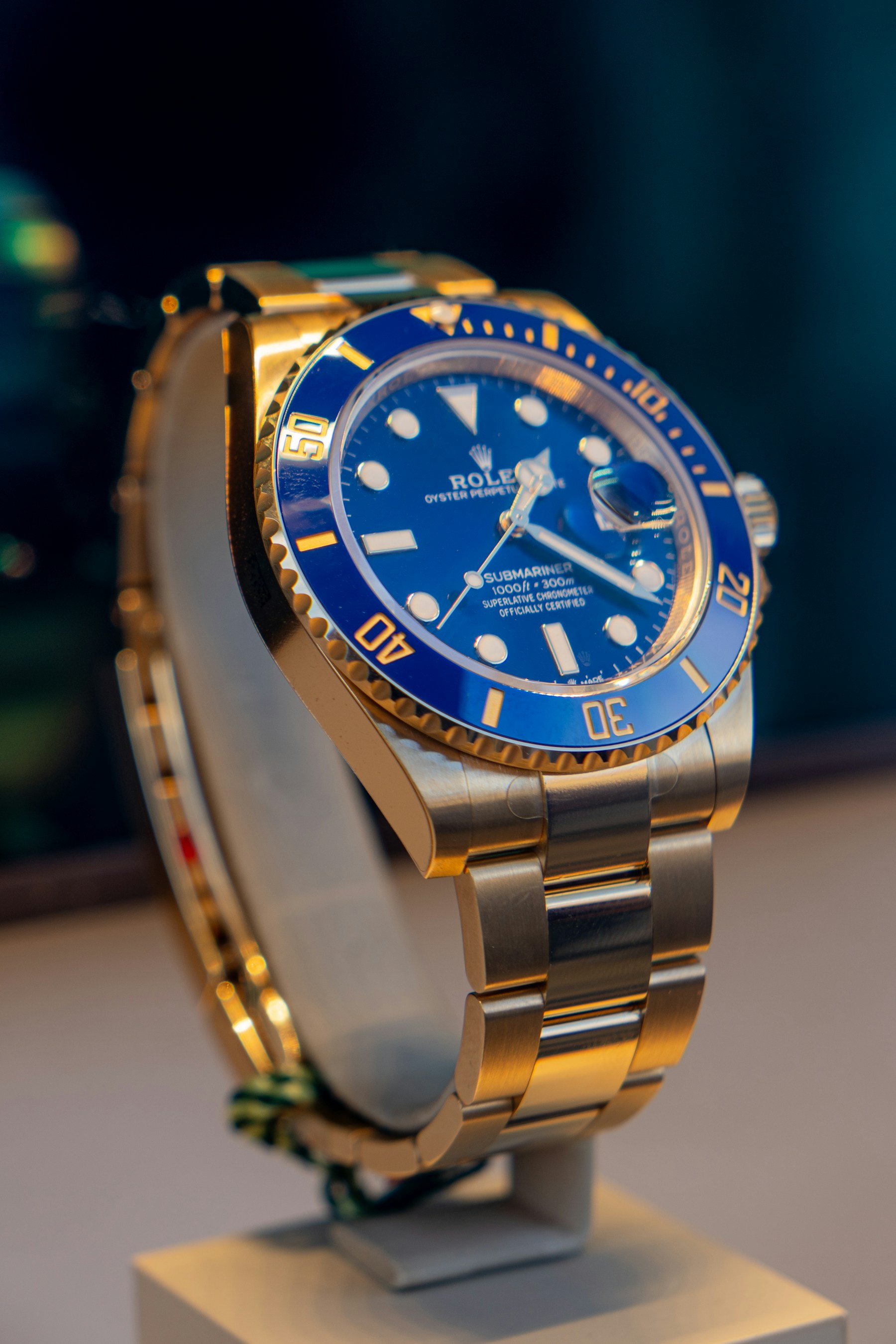
“The price you get for your watch does not depend on what it is worth. It depends on how well you can prove what it is worth — and on the channel you choose to sell it through.”
The second channel is consignment: you leave the watch with a specialist dealer who sells it on your behalf and keeps a commission, typically 5-15%. You get a price closer to market than selling outright to a dealer, without dealing with buyers, but it takes longer — weeks or months. It is the best compromise between price and convenience for mid-to-high value pieces.
The third channel is auction — Phillips, Christie's, Sotheby's, Antiquorum — ideal for rare, vintage or collectible pieces with documented provenance. Auction houses take commission from both seller and buyer (the buyer's premium), but for an exceptional piece the competitive mechanism of a saleroom can reach figures no other channel matches. It makes no sense, however, for a common modern Rolex sports watch: the fees would eat the advantage.
The fourth channel is private sale — Chrono24, specialist forums, marketplaces. It is the one that maximises the price, with no intermediary, but also the one with the highest risk. Payment fraud, chargebacks and attempts to substitute the piece during shipping are all real. If you take this route, always use an escrow service, insured shipping with declared value, and document every stage with photographs and video.
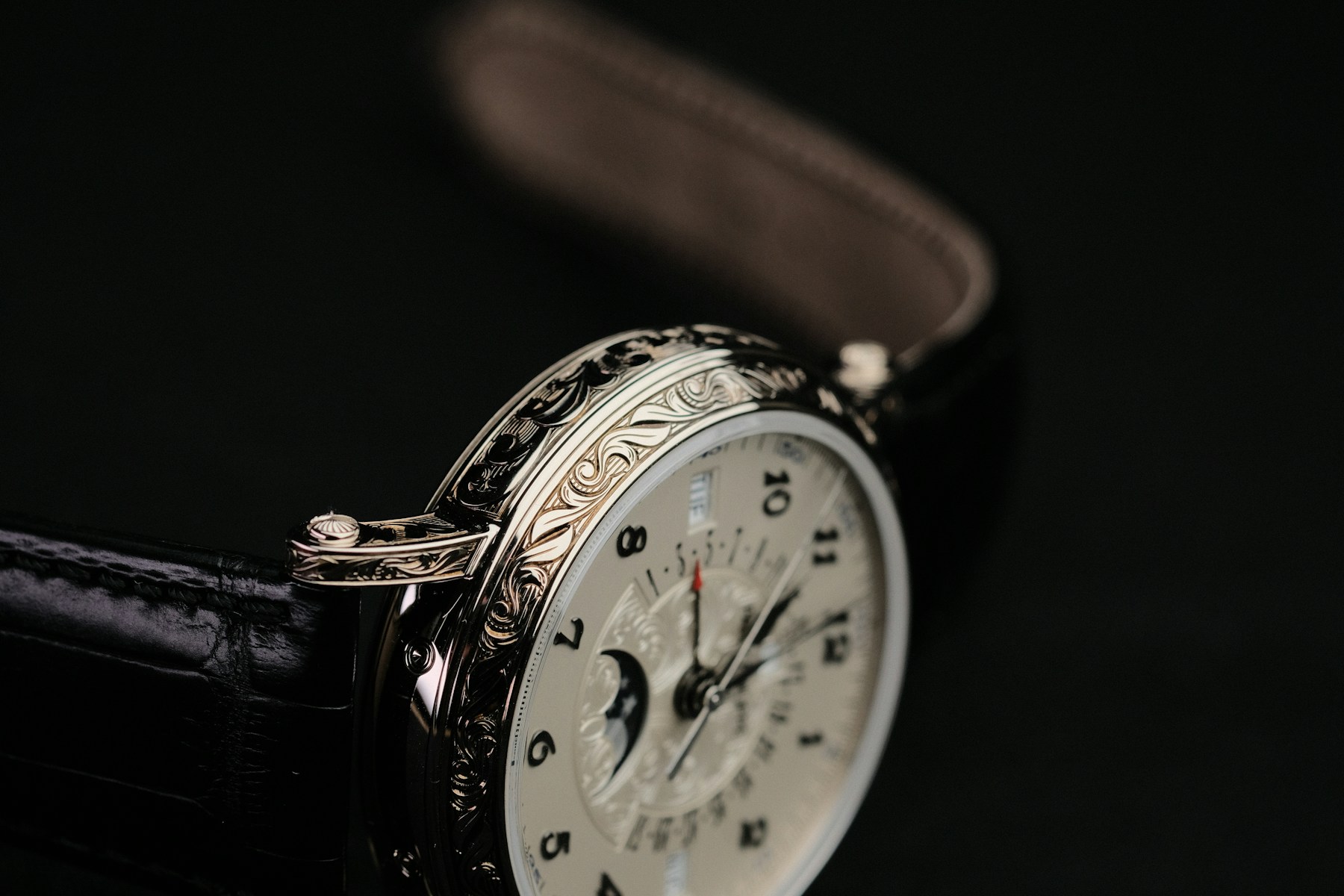
The single most expensive mistake is selling in a hurry without knowing the real value. Anyone who accepts a dealer's first offer without having checked the market leaves, on average, 15-25% of the value on the table. On a €60,000 Patek that means giving away €9,000-15,000. The second rule: be suspicious of anyone offering 'well above market' — that is almost always the opening move of a scam.
If you want to sell a luxury watch and are unsure of the value or the right channel, our independent consultancy gives you a valuation based on real transaction data, tells you the optimal channel for your specific piece and — if you wish — supports you through the negotiation. We take no commission from buyers: we work only for the seller. A correct valuation before selling is worth, almost always, many times its cost.
Consulenza pre-acquisto
Stai valutando un acquisto sopra i 15.000 €? Fatti affiancare da chi ne ha visti passare centinaia.
Videocall registrata, report PDF con valutazione e checklist di autenticità. Rimborso 100% nei primi 15 minuti.